

Piles and anal fissure can both cause bleeding, but their pain patterns and other symptoms may differ. Learn the common differences and when to consult a doctor.
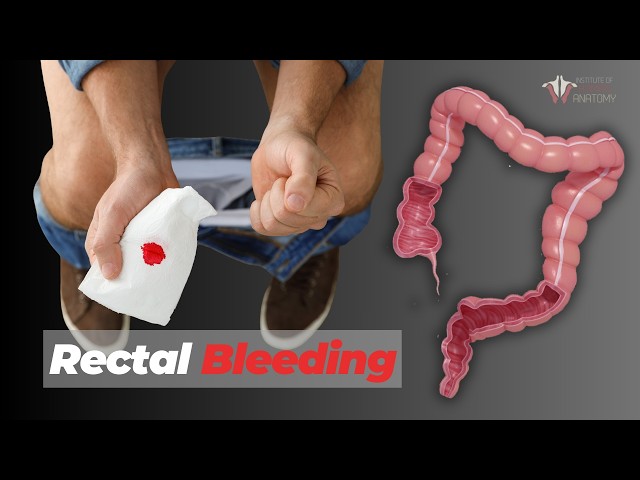
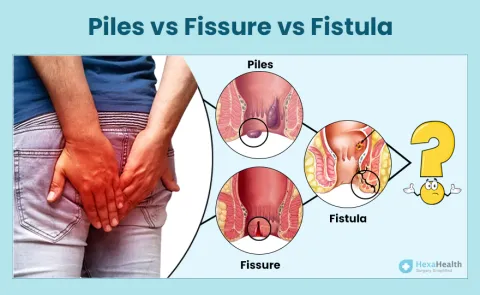
Piles and anal fissure are two common anorectal problems, and patients sometimes confuse them because both can cause bright-red bleeding.
Piles:
Hemorrhoids can cause bleeding, itching, swelling, discomfort or a lump. Internal hemorrhoids may bleed without much pain, while external hemorrhoids can become painful or swollen.
Fissure:
An anal fissure is a small tear in the anal lining. Sharp pain during bowel movements and burning afterwards are common features. A small amount of bright-red blood may also occur.
Why diagnosis matters:
The symptoms can overlap and rectal bleeding can have other causes. A doctor can examine the area and decide whether further evaluation is needed.
Basic prevention:
Avoid constipation, eat enough fibre, drink adequate fluids and do not strain during bowel movements. Regular physical activity can support healthy bowel habits.
When Should You Consult a Doctor?
If you experience persistent rectal bleeding, acute severe pain during bowel movements, swelling, or unexplained fever, please seek immediate consultation. Early diagnosis ensures simple, non-invasive or laser-guided treatment.